Will My 3-Year-Old Outgrow Autism Milestones?

In short: No, children do not outgrow autism. Autism is a lifelong developmental difference, not a phase. However, with early, consistent support-such as ABA therapy-many 3-year-olds make significant progress in communication, social skills, and daily living. The key is starting evidence-based interventions as early as possible.
Key takeaways
- Autism is a lifelong neurotype, not a condition children outgrow.
- Early intervention, especially ABA therapy, can dramatically improve skill development.
- Many 3-year-olds with autism achieve important milestones with consistent support.
- ABA therapy is often covered by insurance, including Medicaid, making it accessible.
Find your child's ABA provider
About 60 seconds · free & confidential
- ✓ Vetted, BCBA-led providers
- ✓ In-home, center & telehealth
- ✓ No obligation, ever
Understanding Autism in Early Childhood
When your 3-year-old receives an autism diagnosis, it's natural to wonder if they will simply grow out of it. Many parents hope that their child will catch up to peers without intervention. However, autism is a neurodevelopmental difference that lasts a lifetime. It is not a phase or a delay that resolves on its own. Instead, it shapes how a person experiences the world, communicates, and interacts. The good news is that early, targeted support can help your child build essential skills and thrive.
🔗 Related reading: Free & Low-Cost Autism Services in CA · Local ABA Therapy
What Does 'Outgrowing' Autism Mean?
The idea of outgrowing autism often comes from confusion between autism and other developmental delays. While some children may lose a diagnosis over time-especially those who receive intensive early intervention-this is not the same as outgrowing autism. Research shows that autism traits persist, but with therapy, children can learn to manage challenges and use their strengths. The goal is not to erase autism but to equip your child with tools for success.
Why Early Intervention Matters
Between ages 2 and 5, the brain is highly plastic, meaning it can form new connections quickly. This is why early intervention is so powerful. Applied Behavior Analysis (ABA) therapy, led by a Board Certified Behavior Analyst (BCBA), is one of the most evidence-based approaches for young children. It focuses on teaching communication, social skills, and daily living tasks through positive reinforcement. Many 3-year-olds who start ABA show measurable gains in language, play, and self-care.
Looking for ABA therapy for your child? We match families with vetted, BCBA-led providers near you.
Get matched freeWhat Milestones Can a 3-Year-Old with Autism Achieve?
Every child is unique, but with consistent support, many 3-year-olds with autism can reach important milestones. These may include:
- Communication: Using words, signs, or picture cards to request items or express needs.
- Social interaction: Engaging in parallel play, taking turns, or responding to their name.
- Daily living: Helping with dressing, feeding themselves, or following simple routines.
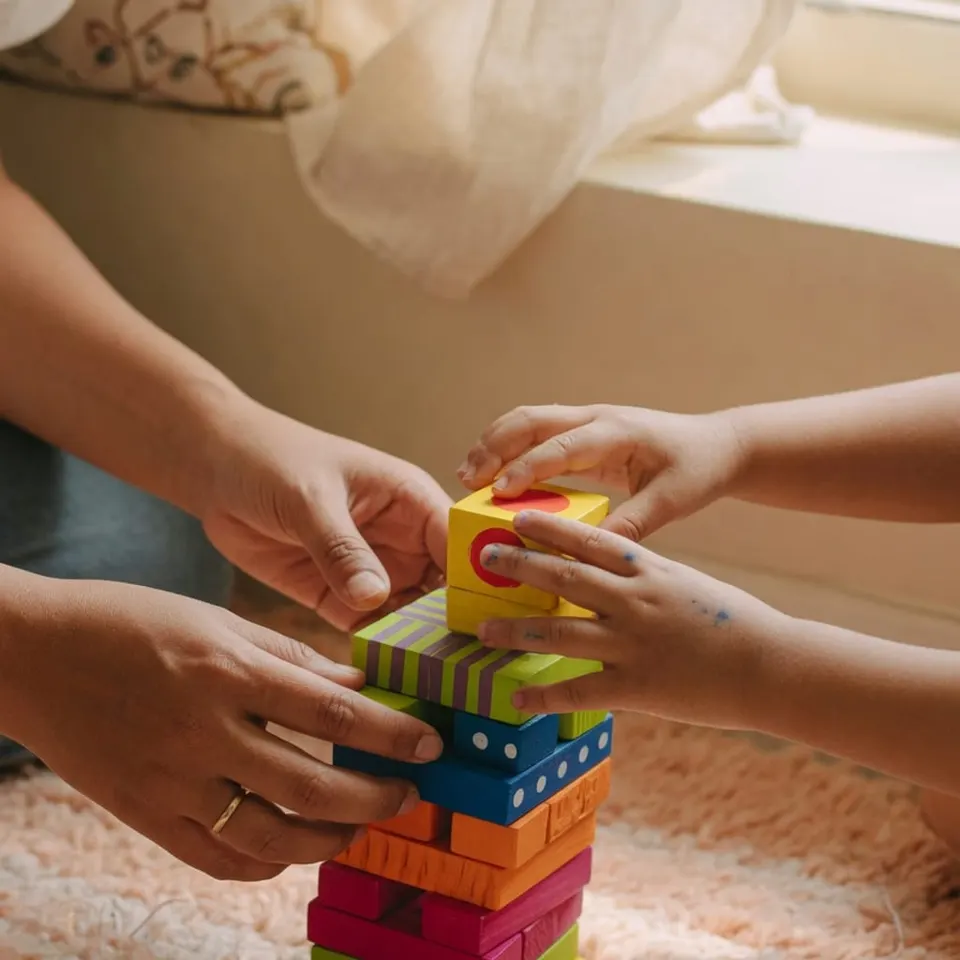
- Play skills: Exploring toys functionally, like stacking blocks or pushing a car.
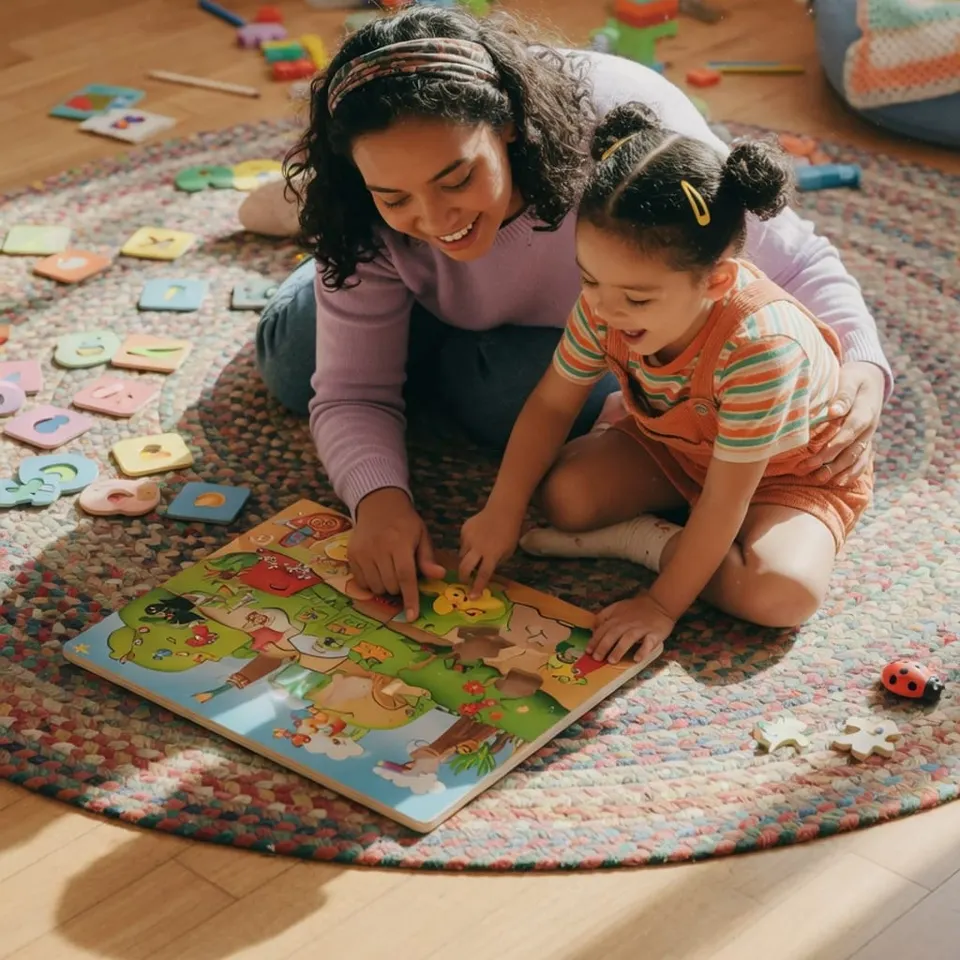
ABA therapy breaks these skills into small, teachable steps. For example, a BCBA might start by teaching a child to point to a desired toy, then gradually build to requesting it verbally. Progress is tracked and adjusted to your child's pace.
🔗 Related reading: SC Regional Centers & Family Support Programs Guide · Nearby ABA Therapy
How ABA Therapy Supports Your 3-Year-Old
ABA therapy is not a one-size-fits-all program. A BCBA will conduct a thorough assessment to understand your child's strengths and challenges. Then, they create a personalized plan that targets specific goals. Sessions often happen in your home, a clinic, or a community setting, making learning natural and practical.
Insurance and Medicaid Coverage
One common concern is cost. Fortunately, ABA therapy is widely covered by insurance, including many Medicaid plans. In states like California, Texas, and Florida, Medicaid often covers ABA for children under 21. Private insurance plans also typically include ABA benefits, especially after an autism diagnosis. Our free service can help you find vetted, BCBA-led providers that accept your insurance, so you don't have to navigate this alone.
Common Mistakes Parents Make
It's easy to fall into traps when seeking help. Here are a few to avoid:
- Waiting to see if they outgrow it: Early intervention is time-sensitive. Delaying can mean missed opportunities for skill building.
- Choosing unproven therapies: Some treatments claim to 'cure' autism but lack evidence. Stick with science-backed approaches like ABA.
- Ignoring your own well-being: Parenting a child with autism is demanding. Seek support groups or respite care to stay resilient.
Practical Tips for Supporting Your 3-Year-Old at Home
While professional therapy is crucial, you can reinforce skills daily. Try these strategies:
- Use visual schedules: Pictures of daily routines help your child know what to expect.
- Follow their lead: Join in their play and narrate what they're doing to build language.
- Celebrate small wins: Every attempt at communication or cooperation is a step forward.
- Stay consistent: Routines provide security and reduce anxiety.
Remember, you are your child's best advocate. By seeking early, evidence-based support, you give them the best chance to develop skills that will serve them for life.
Getting Started with ABA Therapy
If you're ready to explore ABA therapy for your 3-year-old, our free matching service can connect you with vetted, BCBA-led providers in your area. We work with families across the country, including those with Medicaid or private insurance. Simply share your needs, and we'll help you find a provider who fits your schedule, location, and budget. Early action makes a difference-start today.