What Does an RBT Actually Do in a Session?
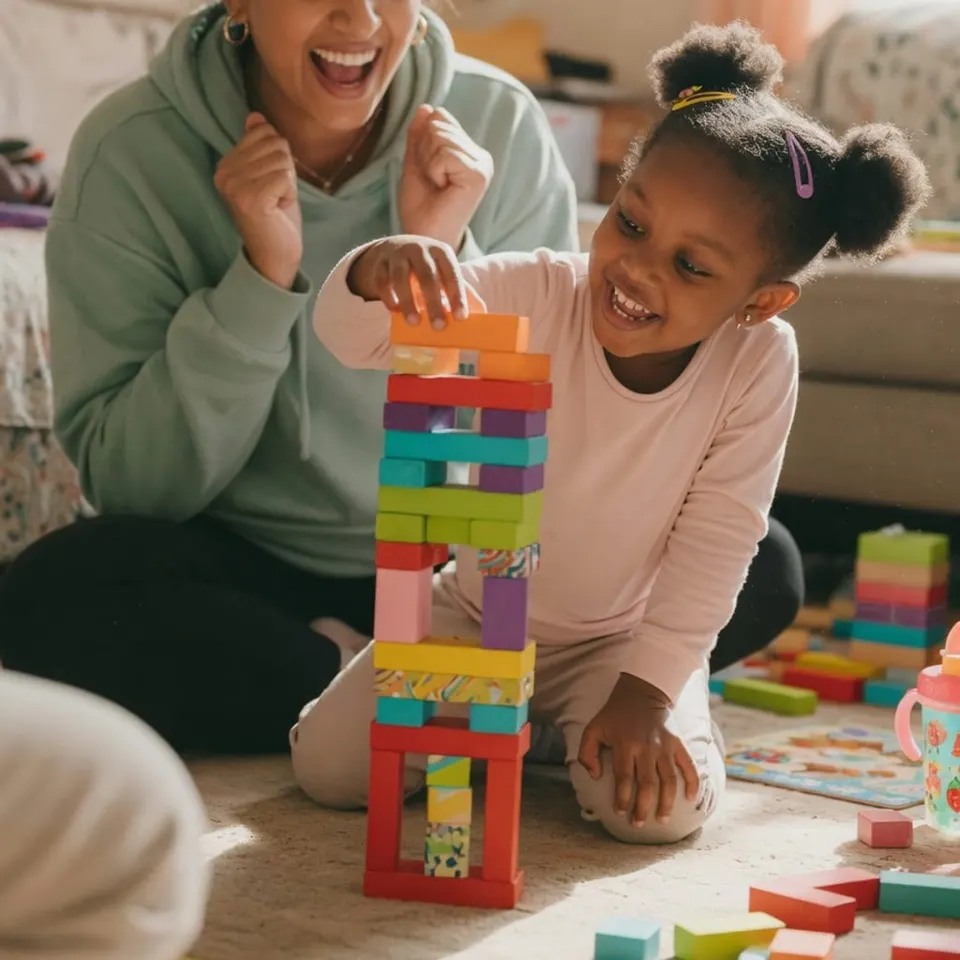
In short: An RBT (Registered Behavior Technician) is the frontline provider who works directly with your child during ABA therapy sessions. They follow a treatment plan created by a BCBA, teaching new skills (like communication or self-help) and reducing challenging behaviors using positive reinforcement. They also collect detailed data on every activity, which the BCBA uses to adjust the plan over time.
Key takeaways
- RBTs are supervised by a BCBA and implement the treatment plan, not design it.
- Sessions focus on skill acquisition (e.g., communication, social, daily living) and behavior reduction.
- Data collection is a core RBT duty, tracking every response and behavior.
- Sessions are play-based and child-led, using natural reinforcement to motivate learning.
What Is an RBT and Why Do They Matter in ABA Therapy?
A Registered Behavior Technician (RBT) is a certified professional who provides direct, one-on-one ABA therapy to children with autism and related developmental conditions. They work under the close supervision of a Board Certified Behavior Analyst (BCBA), who designs the individualized treatment plan. Think of the RBT as the hands-on coach who helps your child practice new skills day by day.
RBTs must complete a 40-hour training course, pass a competency assessment, and pass a national certification exam through the Behavior Analyst Certification Board (BACB). They are trained in the principles of Applied Behavior Analysis, including reinforcement, prompting, and data collection. Because they work directly with your child, they often become a trusted, familiar face in your child's routine.
If you are looking for a qualified RBT for your child, our free service can match you with vetted, BCBA-led ABA providers who employ skilled RBTs. We help families across the country find the right fit.
🔗 Related reading: Building Social Skills Through ABA Therapy · Local ABA Therapy
What an RBT Actually Does During a Session
An RBT session is structured but flexible, typically lasting 2 to 4 hours depending on your child's needs and the treatment plan. Here is a breakdown of the key activities.
Implementing the Behavior Intervention Plan (BIP)
The BCBA creates a detailed Behavior Intervention Plan that outlines specific goals and strategies. The RBT follows this plan step by step. For example, if the goal is to increase requesting, the RBT might use a prompting hierarchy-starting with a full physical prompt and fading to an independent response. They also implement strategies to reduce challenging behaviors, such as providing a break before a meltdown escalates.
Teaching New Skills Through Natural Environment Teaching (NET)
Most ABA sessions use a play-based approach called Natural Environment Teaching. The RBT follows your child's interests and embeds learning opportunities into play. For instance, if your child loves cars, the RBT might practice turn-taking by rolling a car back and forth, or teach colors by sorting cars. This makes learning fun and meaningful.
Discrete Trial Training (DTT) When Needed
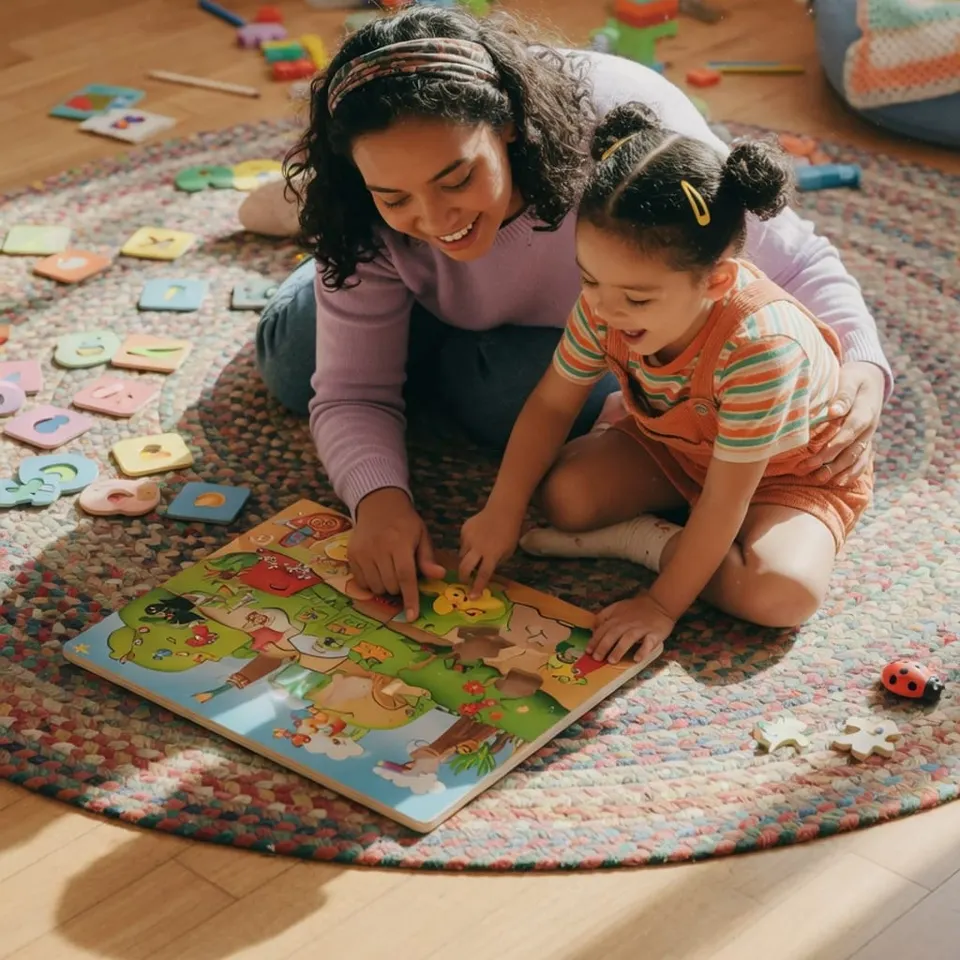
For some skills that need more repetition, the RBT may use Discrete Trial Training. This involves breaking a skill into small steps and presenting them in a structured way. For example, to teach a child to identify a picture of a dog, the RBT might hold up a card, say "Touch dog," and then provide a reward for the correct response. DTT is typically brief and alternated with play.
Collecting Data on Every Response
Data collection is a non-negotiable part of an RBT's job. They record whether your child responded correctly, needed a prompt, or engaged in a challenging behavior. This data is often taken on a tablet or paper using a simple system like a tally or timer. The BCBA reviews this data weekly to decide if the plan is working or needs adjustment.
How an RBT Supports Your Child's Communication and Social Skills
Many children in ABA therapy have goals related to communication and social interaction. The RBT uses evidence-based techniques to help your child learn these skills.
Teaching Functional Communication
If your child is non-verbal or has limited speech, the RBT might use an Augmentative and Alternative Communication (AAC) system, such as picture cards, a speech-generating device, or sign language. They model how to use the system and reinforce any attempt to communicate. For verbal children, they might work on requesting, commenting, or asking questions.
Building Social Interaction
Social goals might include taking turns, sharing, initiating play, or responding to peers. The RBT creates opportunities for these interactions, often starting with the RBT as a play partner and then gradually including a sibling or peer. They use positive reinforcement to encourage social behavior, like giving a high-five for sharing a toy.

🔗 Related reading: Autism Services in Florida Schools: First Call Guide · Nearby ABA Therapy
How an RBT Helps with Daily Living and Self-Help Skills
ABA therapy often targets independence in everyday tasks. The RBT can help your child learn these skills step by step.
Toileting, Dressing, and Feeding
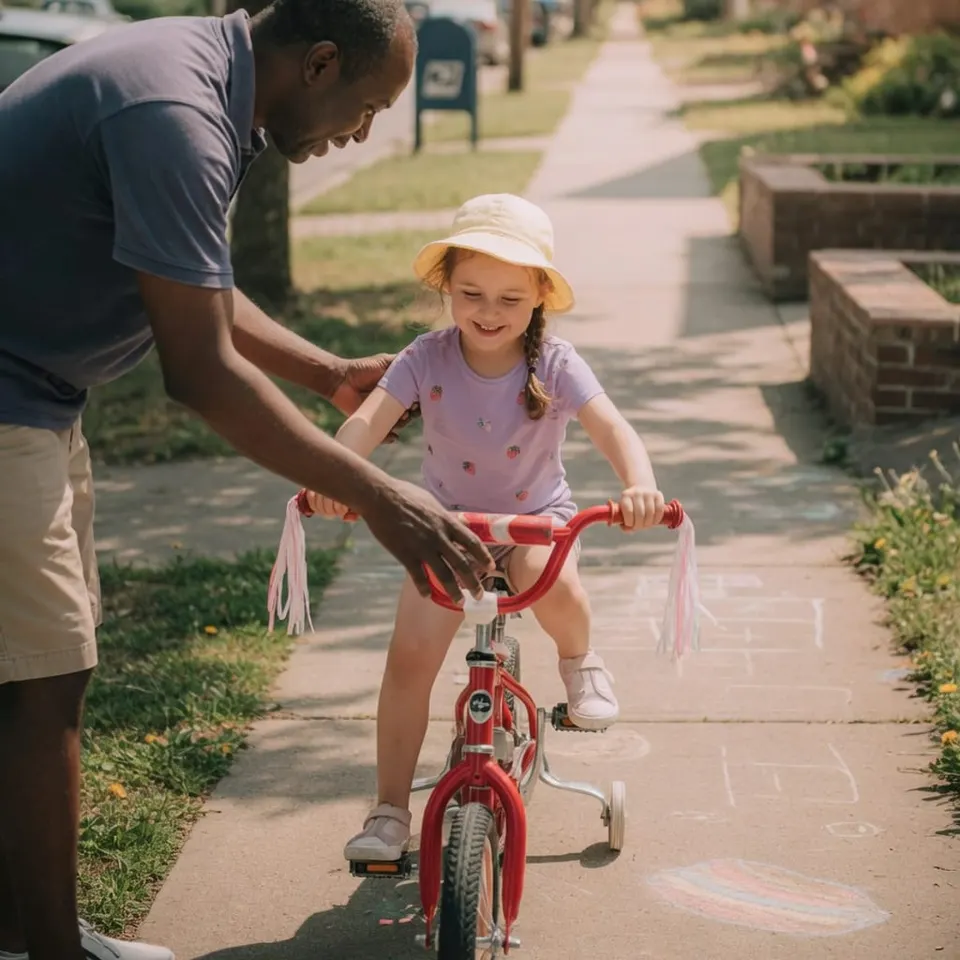
The RBT works on self-care routines like using the toilet, putting on shoes, or using utensils. They use task analysis-breaking the skill into small steps-and provide prompts as needed. For example, for handwashing, the steps might be: turn on water, wet hands, get soap, scrub, rinse, turn off water, dry hands. The RBT fades prompts as your child becomes more independent.
Following Routines and Transitions
Many children with autism struggle with transitions. The RBT can use visual schedules, timers, and first-then boards to help your child know what comes next. They also teach your child to follow a morning or bedtime routine, which reduces anxiety and builds predictability.
What to Expect During Your First Few Sessions
If your child is new to ABA therapy, here is what the initial sessions with an RBT typically look like.
Building Rapport and Pairing
The first few sessions are all about building a positive relationship. The RBT will not immediately start teaching. Instead, they will play with your child, follow their lead, and learn what your child finds reinforcing-whether that is a favorite toy, a song, or tickles. This is called pairing, and it is essential for the child to see the RBT as a fun person to be around.
Assessment and Baseline Data
The BCBA will conduct an initial assessment to determine your child's current skill level and areas of need. The RBT may assist by running specific probes or collecting baseline data. This helps set realistic goals for the treatment plan.
Parent Training and Collaboration
RBTs often share strategies with parents so you can reinforce skills at home. They might show you how to use a visual schedule or how to prompt your child to request a snack. The BCBA also provides formal parent training sessions, but the RBT can offer practical tips during drop-off or pick-up.
Common Mistakes RBTs Avoid (and What Parents Should Watch For)
While RBTs are trained, mistakes can happen. Here are some things to be aware of.
Inconsistent Data Collection
If the RBT is not recording data accurately, the BCBA cannot make informed decisions. You can ask to see the data sheets or check in about progress. Good RBTs are transparent about data.
Over-Prompting
Sometimes an RBT might give too many prompts, which can make the child dependent on them. A skilled RBT uses the least intrusive prompt necessary and fades it quickly. If you feel your child is being over-prompted, mention it to the BCBA.
Lack of Generalization
Skills learned in session should transfer to home and community. If the RBT only works in a clinic, ask how they plan to practice skills in different settings. Many providers offer in-home or community-based sessions to promote generalization.
Costs, Insurance, and Finding a Qualified RBT
ABA therapy is typically covered by insurance, including Medicaid, under the autism benefit. Most plans require a diagnosis of autism spectrum disorder. The cost of an RBT session is usually included in the overall ABA therapy rate, which can range from $50 to $150 per hour depending on location and provider. Your insurance may cover most or all of this cost.
Our free matching service can help you find BCBA-led providers who employ certified RBTs. We work with families to understand your insurance and schedule, then connect you with vetted providers in your area. This saves you time and ensures your child receives quality care.
How to Support Your Child's RBT for the Best Results
You play a key role in your child's success. Here are some tips.
Communicate Openly
Share what works at home-what motivates your child, what triggers challenging behavior, and what routines you use. The RBT can incorporate this into sessions.
Reinforce Skills at Home
Ask the RBT for simple strategies to practice between sessions. Even five minutes a day of practicing a new skill can make a big difference.
Be Consistent
Try to maintain similar expectations across settings. If the RBT is working on using a spoon, encourage the same at meals. Consistency helps your child learn faster.
In summary, an RBT is a dedicated professional who brings the BCBA's plan to life, working directly with your child to build skills and reduce challenges. They collect data, adapt in the moment, and collaborate with you. If you are ready to find a qualified RBT for your child, our free service can connect you with top providers.