Joint Attention: Why It Matters & How ABA Builds It
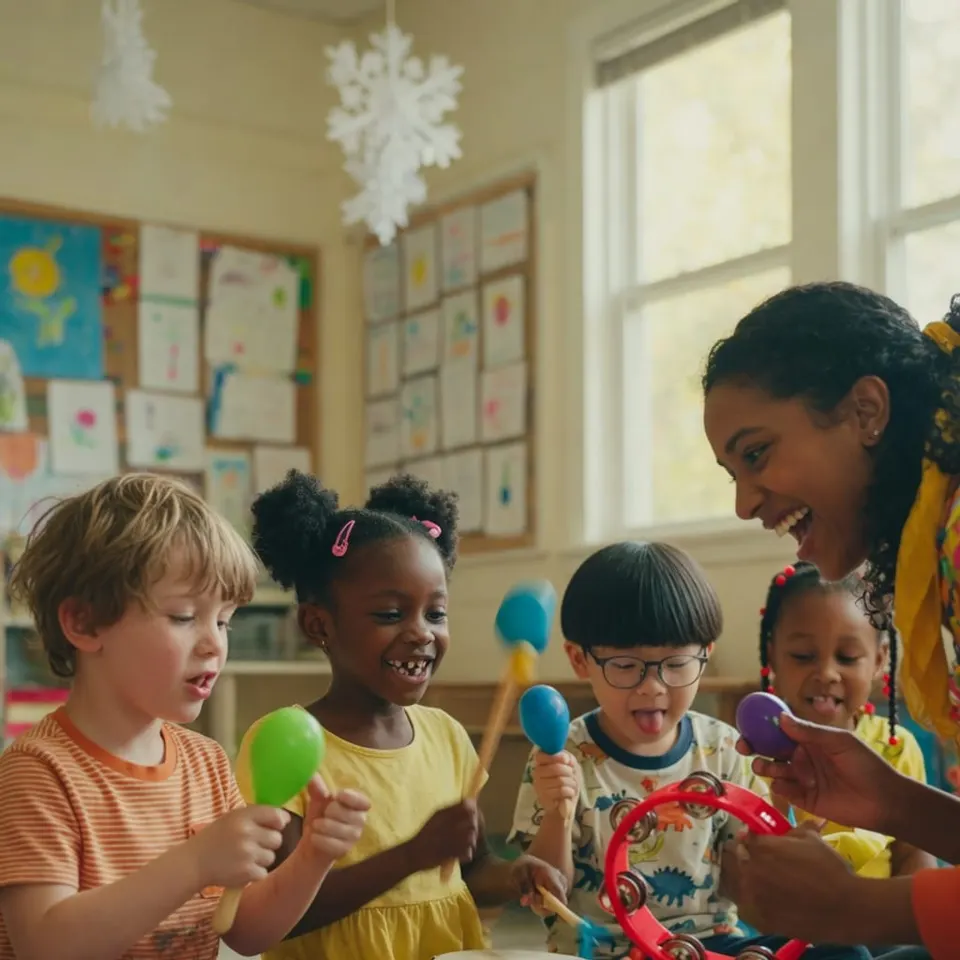
In short: Joint attention is the ability to share focus on an object or event with another person. It's a foundational skill for language and social development. ABA therapy uses evidence-based techniques like discrete trial training and natural environment teaching to systematically build joint attention in autistic children, often covered by insurance including Medicaid.
Key takeaways
- Joint attention is a core social communication skill that typically emerges by 12-18 months and is often delayed in autistic children.
- It involves three components: initiating, responding, and maintaining shared focus.
- ABA therapy breaks down joint attention into teachable steps using positive reinforcement.
- Effective ABA techniques include Discrete Trial Training (DTT), Natural Environment Teaching (NET), and Pivotal Response Treatment (PRT).
Find your child's ABA provider
About 60 seconds · free & confidential
- ✓ Vetted, BCBA-led providers
- ✓ In-home, center & telehealth
- ✓ No obligation, ever
What Is Joint Attention?
Joint attention is the shared focus of two individuals on the same object, event, or activity. It is a cornerstone of social communication and typically develops in the first year of life. For example, a baby may point to a bird and look at their caregiver to share the moment. This skill involves coordinating attention between a partner and an object of interest, and it forms the basis for language learning and social bonding.
The Three Components of Joint Attention
Joint attention includes three key actions:
- Responding to joint attention: Following another person's gaze or point toward an object.
- Initiating joint attention: Using gestures, eye contact, or vocalizations to direct someone else's attention to something.
- Maintaining joint attention: Alternating gaze between the person and the object to keep the shared focus.
Each component is a building block for more complex social interactions, and delays in joint attention are one of the earliest markers of autism spectrum disorder (ASD).

🔗 Related reading: Combining ABA with Speech & OT: A Parent's Guide · Local ABA Therapy
Why Joint Attention Matters for Development
Joint attention is not just a milestone - it is a gateway to language, social understanding, and academic readiness.
Foundation for Language
When a child follows a caregiver's point to a toy and hears the word "ball," they learn that words refer to objects in the world. Research shows that children who engage in more joint attention early on tend to have larger vocabularies and better communication skills later. Autistic children who struggle with joint attention often face more significant language delays, making early intervention critical.
Social Connection and Theory of Mind
Sharing attention is the first step toward understanding that others have thoughts, feelings, and perspectives different from our own - a concept called theory of mind. Joint attention fosters empathy, turn-taking, and cooperative play. It also reduces frustration because the child learns that they can communicate without words by using gaze and gestures.
How Joint Attention Differs in Autistic Children
Many autistic children show differences in joint attention from an early age. They may not respond to their name being called, avoid eye contact, or rarely point to share an interest. Some may engage with objects but not with people. It's important to note that these differences are not a lack of desire to connect - often, the underlying social-cognitive processes for coordinating attention are not yet developed. Each child's profile is unique; some may initiate joint attention in subtle ways, such as bringing you a toy rather than pointing to it. Understanding these individual patterns helps ABA therapists design effective interventions.
🔗 Related reading: Reduce Challenging Behavior with Positive Reinforcement · Local ABA Therapy
How ABA Therapy Builds Joint Attention
Applied Behavior Analysis (ABA) therapy uses evidence-based principles to teach joint attention in a structured, positive manner. A Board Certified Behavior Analyst (BCBA) assesses the child's current skills and designs a plan that breaks joint attention into small, achievable steps. Reinforcement - like praise, tickles, or access to a preferred toy - is used to encourage each attempt.
Discrete Trial Training (DTT)
In DTT, the therapist presents a clear instruction, such as "look at the ball," and provides a prompt (e.g., pointing). When the child follows the point, they receive immediate reinforcement. Over time, the therapist fades prompts so the child responds independently. DTT works well for teaching basic responding skills and can be done in a distraction-free setting.
Natural Environment Teaching (NET)
NET takes place in the child's everyday environment - at a table with toys, on the playground, or during snack. The therapist follows the child's motivation. For instance, if the child is fascinated by a toy car, the therapist might hold it up to their eye level to invite shared attention. Using the child's natural interests increases engagement and helps generalize the skill across settings.
Pivotal Response Treatment (PRT)
PRT focuses on "pivotal" areas like motivation and self-initiation. The therapist creates opportunities for the child to initiate joint attention by pausing during an exciting activity, waiting for the child to look up, and then reinforcing that look. PRT is particularly effective at building spontaneous initiation, a key challenge for many autistic children.
What to Expect in ABA Therapy for Joint Attention
When you partner with a BCBA-led provider, you can expect a thorough initial assessment that includes direct observation, parent interviews, and standardized tools to measure joint attention. Goals are written in observable terms - for example, "The child will follow an adult's point to a novel object within 3 seconds on 8 out of 10 trials." Therapy sessions often involve one-on-one time with a behavior technician (supervised by the BCBA). Progress is tracked weekly, and adjustments are made based on the child's responses. Many children show meaningful gains within 3 to 6 months of consistent therapy. The BCBA will also coach you on how to practice joint attention at home.

Practical Tips for Parents and Caregivers
You can support joint attention development every day without special materials. Here are a few strategies:
- Follow your child's lead: Notice what they are looking at and comment on it. If they're staring at a ceiling fan, say "Wow, that fan is spinning fast!" This shows you value their focus.
- Use animated facial expressions: Exaggerate your reactions to objects. For example, when a wind-up toy moves, gasp and look from the toy to your child.
- Position yourself at eye level: Sit across from your child so you can easily make eye contact. Hold a desired toy near your face to encourage gaze shifting.
- Create "obstacles": Put a favorite snack in a clear jar that they can't open alone - they will likely look to you for help, which is an opportunity to practice joint attention.
Common Mistakes to Avoid
- Forcing eye contact: Demanding that your child look at you can create anxiety. Instead, build natural opportunities for shared focus.
- Overloading with language: Keep your words simple and match them to the moment. If your child points to a dog, just say "Dog!" instead of "Yes, that's a big brown dog."
- Ignoring your child's attempts: Even subtle bids for attention - like a brief glance - deserve recognition. Respond promptly to encourage repetition.
- Practicing only in therapy: Joint attention is best learned through everyday interactions. Use routines like meals, bath time, and play to reinforce the skill.
Costs and Insurance Coverage for ABA Therapy
ABA therapy for joint attention and other goals is widely covered by commercial insurance plans and Medicaid. Most states require insurance to cover medically necessary autism treatments. Medicaid's Early and Periodic Screening, Diagnostic and Treatment (EPSDT) benefit provides comprehensive coverage for children under 21. Typically, you will pay a copay or coinsurance as per your plan. Some providers also offer sliding-scale fees or grants. Because coverage varies, it's wise to confirm with your insurer. If you need help finding an in-network BCBA-led provider, a free matching service like ABA Therapy Now can connect you with options that accept your insurance.
How ABA Therapy Now Can Help You Find a Provider
Navigating the world of autism therapy can feel overwhelming. ABA Therapy Now is a free matching service that helps families like yours connect with vetted, BCBA-led ABA providers in your area. We understand that each child's journey is unique, so we take the time to learn about your child's needs, your insurance, and your preferences. You can then choose a provider that specializes in early communication goals, including joint attention. Our service is completely free - no strings attached. Let us support you in finding the right team to help your child build this foundational skill.