Early Intervention ABA Therapy for a 1-Year-Old: What Parents Need to Know
In short: Early intervention ABA therapy for a 1-year-old is play-based, gentle, and focused on building foundational skills like communication, social interaction, and daily routines. It is often covered by insurance and Medicaid, and ABA Therapy Now is a free service that connects you with vetted, BCBA-led providers in your area.
Key takeaways
- ABA therapy for 1-year-olds is play-based and relationship-focused, targeting early communication, social engagement, and daily living skills.
- Early intervention (before age 3) can significantly boost developmental outcomes by leveraging the brain's high neuroplasticity.
- Services are often free or low-cost through state Early Intervention programs, private insurance, or Medicaid.
- ABA Therapy Now is a free matching service that connects families with local, BCBA-supervised providers, with no obligation.
What Is Early Intervention ABA Therapy for a 1-Year-Old?
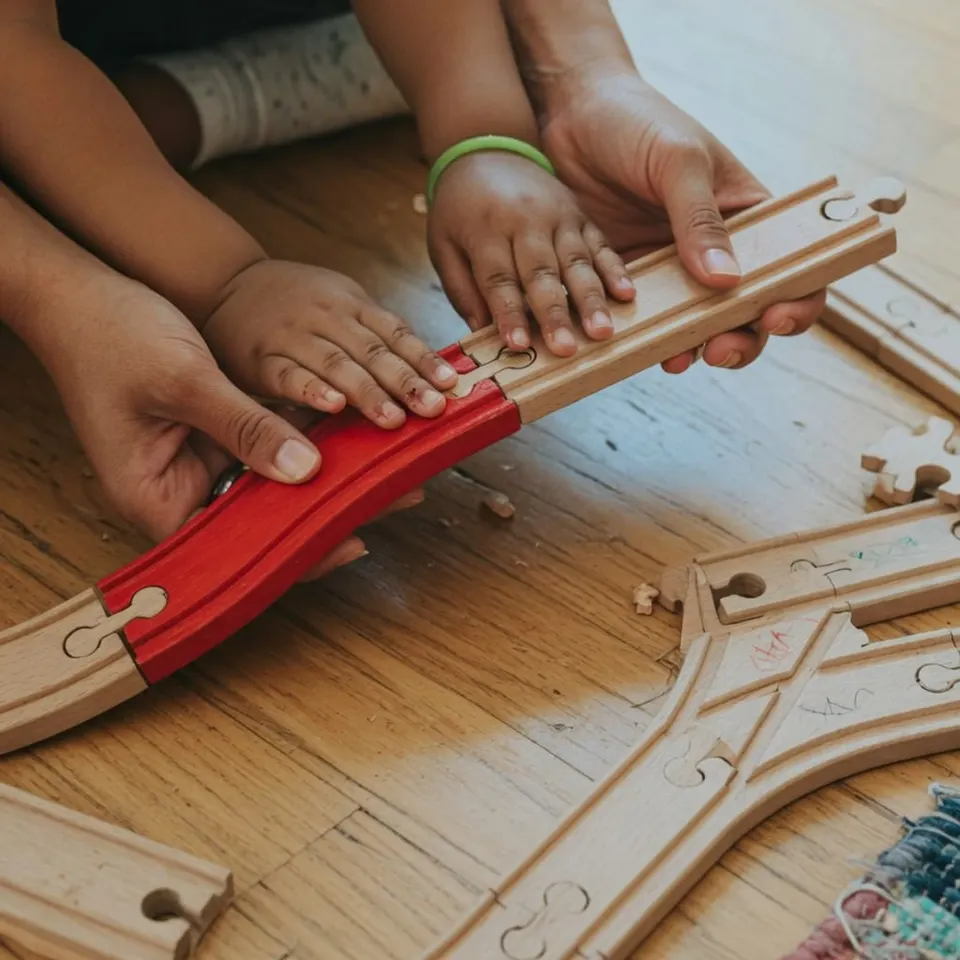
Early intervention ABA therapy is a science-based approach designed to support very young children, including 1-year-olds, in developing crucial early skills. At this age, ABA looks very different from the structured table-work often associated with older children. Instead, sessions are entirely play-based and embedded in natural routines like feeding, bathing, and playing on the floor. The focus is on building foundational skills such as joint attention (sharing focus on an object with another person), vocalizations, imitation, and social reciprocity. Therapy is delivered in a warm, gentle way, often in the child's home or daycare, with the parent or caregiver actively involved in every step. The goal is not to "change" the child but to support their development and strengthen the parent-child relationship.

🔗 Related reading: Single Parent ABA Therapy Logistics Help · Local ABA Therapy
Why Early Intervention Matters So Much
The Science of Neuroplasticity
The first three years of life are a period of incredible brain growth. Neural connections are forming at a rapid rate, making this an ideal time to introduce supportive therapies. Early intervention leverages this neuroplasticity to help children build communication, social, and adaptive skills before challenges become more entrenched. Research consistently shows that starting therapy before age 3 leads to better long-term outcomes in language, cognitive ability, and daily living skills.
Building a Strong Foundation
For a 1-year-old, even small delays in milestones like pointing, babbling, or responding to their name can be early signs that additional support may be helpful. Early ABA can target these areas in a fun, natural way-for example, encouraging a child to point to a toy they want, or to imitate simple sounds during a game. These small steps build a foundation for later communication, social interaction, and learning.
How ABA Therapy Works for a 1-Year-Old
Play-Based and Child-Led
For a 1-year-old, ABA is entirely play-based. A trained behavior technician-supervised by a Board Certified Behavior Analyst (BCBA)-follows the child's lead during play, embedding learning opportunities into activities the child naturally enjoys. If the child is fascinated by a spinning top, the therapist might pause the top, wait for the child to make eye contact, and then spin it again, reinforcing that back-and-forth interaction. The key is to make every moment feel rewarding and natural.
Parent Coaching and Involvement
A major component of early ABA is parent training. The BCBA teaches parents how to use simple strategies during daily routines-like offering choices during snack time, using simple language during bath time, or celebrating every attempt at communication. This empowers you to support your child's development throughout the day, not just during therapy sessions.
Typical Session Structure
- Duration: Sessions are short, typically 1-2 hours, and may occur 2-3 times per week, depending on the child's needs and what the family's insurance or program covers.
- Setting: Usually at home or in a familiar environment like a daycare or early intervention center, to ensure the child feels comfortable.
- Goals: Goals are highly individualized and may include increasing eye contact, imitating sounds, using gestures like waving or pointing, engaging in parallel play, and building simple daily living skills like drinking from a cup.

🔗 Related reading: Home vs Center Based ABA for 3-Year-Olds: Which Is Best? · Local ABA Therapy
Costs and Insurance Coverage for Early ABA
Early Intervention Programs (Part C of IDEA)
In the United States, each state has an Early Intervention (EI) program under Part C of the Individuals with Disabilities Education Act (IDEA). These programs provide evaluation and therapy services (including ABA in some states) at little or no cost to families. Eligibility is based on developmental delay or a diagnosis, and services are typically provided in the home. Your local EI office can guide you through a free evaluation.
Private Insurance and Medicaid
Many private health insurance plans cover ABA therapy for children who receive a diagnosis of autism spectrum disorder. Thanks to state mandates and the Affordable Care Act, coverage is often broad, though copays and deductibles vary. Medicaid (and CHIP in some states) also covers ABA for eligible children, often with very low out-of-pocket costs. ABA Therapy Now can help you understand what your specific plan covers and connect you with providers who accept your insurance.
Is a Diagnosis Required?
Not always. For Early Intervention programs, a diagnosis is often not required-a developmental screening that shows a delay is enough to start services. For private insurance coverage, a medical diagnosis of autism is typically needed for ABA benefits. If you're unsure, you can still start the process: ABA Therapy Now's free matching service can connect you with providers who can guide you through screening and diagnosis steps.
Practical Steps to Get Started
1. Request a Free Developmental Screening
Contact your state's Early Intervention program (often called "Part C" or "The Early Intervention Program"). They will provide a free, no-obligation evaluation to see if your child qualifies. You can also ask your pediatrician for a referral.
2. Use ABA Therapy Now to Find Providers
ABA Therapy Now is a free service that matches families with vetted, BCBA-led ABA providers in your area. Simply answer a few questions about your child, your location, and your insurance, and we'll connect you with providers who have availability for early intervention. This saves you hours of research and phone calls.
3. Prepare for Your First Visit
When you're matched with a provider, they will schedule an initial assessment with a BCBA. This will involve observing your child playing, talking with you about your concerns, and setting goals. You'll be an active partner in this process.

Common Mistakes to Avoid
- Waiting too long. The "wait and see" approach can delay critical support. If you have any concerns-even a gut feeling-request a screening. Early help is always better.
- Assuming it's too early. Many parents worry a 1-year-old is too young for therapy. ABA for very young children is gentle, play-based, and focuses on connection-not drills.
- Ignoring Medicaid or Early Intervention. These programs exist to help families access services affordably. Don't assume they won't cover your child's needs.
What to Expect from Your Free Provider Matching
When you use ABA Therapy Now, you'll receive personalized matches to ABA providers who specialize in early intervention. All providers are vetted to ensure they are supervised by a BCBA and follow evidence-based practices. You can review their profiles, ask questions, and choose a provider that feels right for your family. There's no cost, and no obligation to move forward until you're ready. This service is designed to take the guesswork out of finding the right help for your child.