ABA Therapy for a 5-Year-Old with Behavior: A Complete Guide for Families

In short: ABA therapy for 5-year-olds focuses on replacing challenging behaviors with functional skills through play-based, structured teaching. It's covered by most insurance and Medicaid. A free matching service like ABA Therapy Now can connect you with a vetted, BCBA-led provider quickly.
Key takeaways
- ABA therapy uses positive reinforcement to teach new skills and reduce problematic behaviors at home, school, or in the community.
- For 5-year-olds, sessions often look like play, with a Board Certified Behavior Analyst (BCBA) designing individualized goals.
- Common targets include following directions, waiting, sharing, self-regulation, and communication alternatives to meltdowns.
- Parent involvement is key: you'll learn strategies to support your child's progress day-to-day.
Understanding ABA Therapy for 5-Year-Olds with Behavioral Challenges
If you're the parent of a 5-year-old who frequently hits, throws tantrums, or refuses to follow directions, you may be wondering if ABA therapy can help. Applied Behavior Analysis is a science-based approach that teaches new skills and reduces challenging behaviors. For a 5-year-old, ABA looks nothing like a classroom lecture-it's playful, engaging, and tailored to your child's unique needs.
ABA therapy focuses on understanding why a behavior happens (its function) and then teaching a more appropriate replacement behavior. For example, if a child screams to get attention, the therapist might teach them to tap an adult's arm or say "excuse me" instead. This process is gradual, data-driven, and always positive.

🔗 Related reading: Summer & After-School ABA Programs in Texas · Local ABA Therapy
What Does ABA Therapy Look Like for a 5-Year-Old?
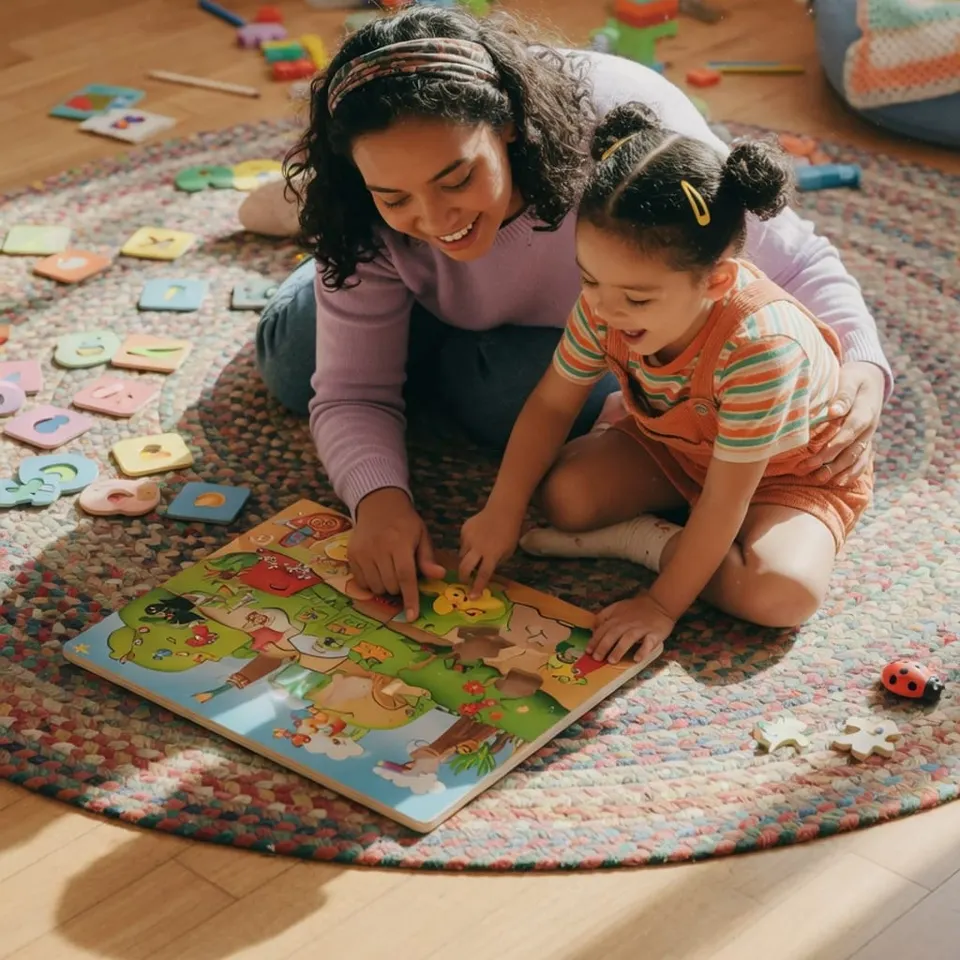
At age 5, children are in a critical developmental window. ABA sessions typically last 1-3 hours and might happen at home, in a clinic, or even at preschool. A Board Certified Behavior Analyst (BCBA) designs the program, and trained technicians (RBTs) implement it. Sessions often include:
- Natural environment teaching - learning during everyday routines like snack time or playing with blocks.
- Discrete trial training - short, structured teaching moments (e.g., "Touch red" with a reward for correct response).
- Play-based social skills - turn-taking, sharing, and initiating conversation.
- Self-regulation activities - deep breathing, requesting a break, or using a calm-down space.
The therapist tracks progress with data sheets, adjusting goals every few weeks. You'll likely see homework or strategies to practice between sessions.
Why ABA Works for Behavioral Issues
Unlike punishment or time-out alone, ABA addresses the root cause. A BCBA completes a functional behavior assessment (FBA) to determine what triggers and maintains the behavior. Then they build a plan that teaches your child a better way to get their needs met. Over time, challenging behaviors decrease as communication and coping skills increase.
Common Behavioral Goals for 5-Year-Olds in ABA
Each child's plan is unique, but many goals fall into these categories:
- Compliance and following instructions - e.g., "Come here," "Clean up," or "Wait your turn."
- Emotional regulation - recognizing feelings and using words or visuals instead of screaming.
- Social interaction - initiating play, responding to peers, and handling losing a game.
- Independent living skills - dressing, toileting, brushing teeth with fewer prompts.
- Reducing aggression or self-injury - using a safe alternative like squeezing a stress ball.
For a 5-year-old, the ABA team will often coordinate with preschool or kindergarten teachers to ensure consistency across settings.

🔗 Related reading: SC ABA Insurance Mandates: Your Coverage Rights · Nearby ABA Therapy
How ABA Therapy Addresses Challenging Behaviors
The core strategy is positive reinforcement. The therapist identifies powerful rewards (praise, a favorite toy, a sticker chart) and delivers them immediately after the desired behavior. Behaviors that are reinforced are more likely to be repeated. For undesired behaviors, the team may use strategies like:
- Extinction - not giving attention following minor tantrums (safely ignoring).
- Redirection - guiding the child to a different, acceptable activity.
- Differential reinforcement - rewarding only the positive behavior while withholding reward for the challenging one.
It's important to note that ABA never uses punishment like spanking or yelling. The focus is always on teaching and empowering the child.
Realistic Timeline for Improvement
Some changes happen in weeks, especially with high-frequency behaviors. But lasting progress for a 5-year-old often takes months of consistent therapy. The BCBA will provide regular updates and adjust goals as your child grows.
The Role of Parents and Caregivers in ABA
You are your child's most important partner. Most ABA programs include parent training so you can use the same strategies at home. You might learn:
- How to give clear, calm instructions.
- How to use a token board or visual schedule.
- How to stay consistent during meltdowns.
Parents who actively participate see faster, more durable results. And you'll feel more confident handling tough moments.
Finding ABA Therapy for Your 5-Year-Old: Cost and Insurance
ABA can be expensive out-of-pocket (sometimes $100-$200 per hour), but it's covered by most private insurance plans and state Medicaid programs for children with an autism diagnosis. Even if your child does not have an autism diagnosis, some insurance covers ABA for related behavioral conditions - check with your plan.
Medicaid typically covers ABA completely, and many states have long wait lists. That's where a free matching service can help.
How ABA Therapy Now Can Help You Get Started
Instead of calling provider after provider, ABA Therapy Now does the work for you. It's a free, no-obligation service that connects families with vetted, BCBA-led ABA providers in your area. Simply share your child's age and needs, and we'll match you with clinics that have availability, accept your insurance, and specialize in behavioral challenges for 5-year-olds.
You avoid the frustration of endless phone calls. And you get a shortlist of providers you can choose from with confidence.
Moving Forward: What to Do Next
If your 5-year-old is struggling with behavior that affects their daily life, ABA therapy offers a proven path forward. Reach out to a BCBA for a free consultation. Use free resources like ABA Therapy Now to skip the search and focus on what matters: helping your child thrive.